Why Does Google Keep Disapproving My Supplement Ads?
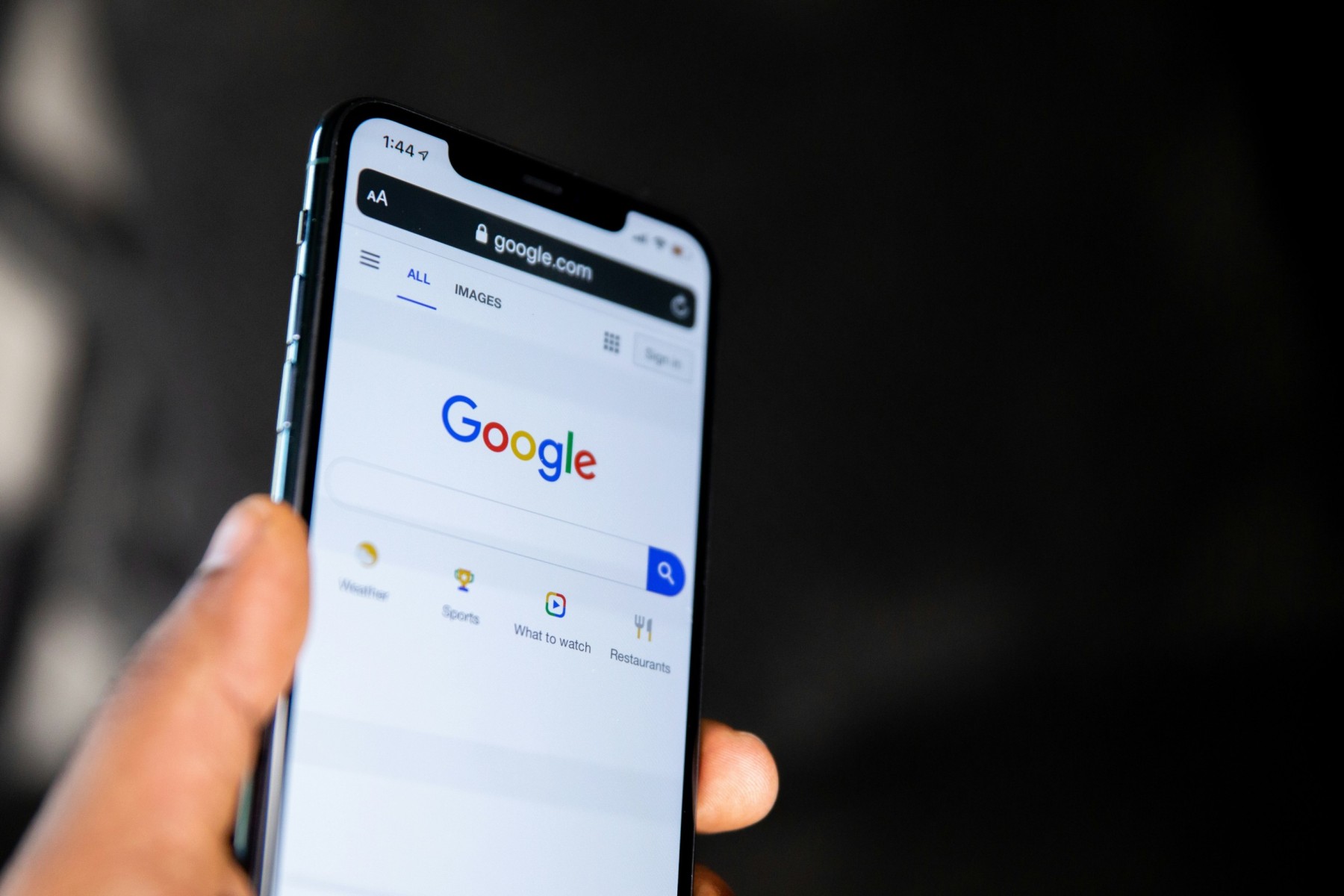
How to get pay-per-click ads for supplements approved on Google
People often think about Google as a search engine or ad platform.
But Google is, first and foremost, a business. And like all responsible businesses, it wants to provide a reliable, high-quality service for its users.
So when you’re writing Google Search ads to promote your supplements, you need to consider a lot more than compelling headlines and descriptions. Your product, how it’s positioned and the claims you use must all comply with Google’s advertising policies in order to run.
Finding out why Google keeps disapproving your supplement ads is the first step in solving the problem. That’s why we’ve put together a simple guide that explores Google’s general advertising requirements and supplement-specific issues to help you get your pay-per-click (PPC) ads approved.
But there’s a much quicker, easier and more reliable way to launch your campaigns.
Simply get in touch with the experts at Fueld for compliant, high-performing Google ads that generate zero-hassle growth for your health and wellbeing brand.
General reasons why Google disapproves ads
The PPC ads Google chooses to run are a reflection of its professionalism and commitment to a positive user experience.
So as well as following UK rules for health and wellbeing paid media compliance, your ads need to meet Google’s minimum threshold for quality. Otherwise, they’ll get rejected.
There are a few rules that apply to all Responsive Search Ads, including promotions for supplements. So be sure to watch out for:
- Spelling: Always proofread your ads to correct spelling mistakes. And avoid using text-speak like substituting ‘u’ for ‘you’
- Grammar: Small grammatical mistakes that most people make are okay. But serious errors can get your ads disapproved
- Capitalisation: You can use initial caps or sentence case, but you must be consistent. Non-standard caps are usually okay for coupon codes, common acronyms, brands and product names. But never use all-caps to make your ads stand out
- Symbols: Avoid excessive or gimmicky use of numbers, symbols, punctuation and spacing, as well as unsupported characters like emojis. And don’t use exclamation marks or non-standard characters like asterisks or ellipses
- Generic calls to action: Don’t use phrases like ‘click here’ that could apply to any ad. Go for more specific options like ‘shop now’ or ‘subscribe to save 20%’
- Destination mismatch: The domain name in your display URL must match that of your destination URL. Redirects from the final URL to a different domain will also be rejected for failing to meet destination requirements
- Landing page errors: If your post-click landing page doesn’t work, Google will disapprove your ad. Check for error codes, crawlability and proper functionality on common browsers and devices
- Misrepresentation: Google doesn’t allow ads that deceive users or provide misleading information. So don’t promote unavailable offers or make unproven claims
But what if you have a stylised brand name or product?
Don’t worry. Google lets you use incorrect spelling, capitalisation or symbols if they’re consistent with your paid media campaign and landing page content.
These ads might still be rejected on your first attempt. But you can contact the Google Ads support team to request human review and approval.
Doubling ad performance at half the cost
A US-based supplement brand asked us to halve their paid media expenses while maintaining performance. We cut their costs as instructed – but also improved their return on ad spend by 135%!
Top 3 reasons why Google disapproves supplement ads (and what to do about it)
1) Unapproved substances
Google has a non-exhaustive list of unapproved pharmaceuticals and supplements that it doesn’t let advertisers promote.
Pharmaceuticals make up the vast majority of this list. But supplement advertisers need to watch out for:
- Ephedra
- DHEA (outside of the United States)
- Active pharmaceutical ingredients (e.g. sibutramine)
- Dangerous ingredients (e.g. 1,3-demethylamylamine)
- Ingredients associated with government or regulatory warnings (e.g. yohimbe)
These restrictions apply to your product as well as your ads. So if Google keeps disapproving your supplement ads for unapproved substances, rewriting your headlines and descriptions won’t solve the problem.
How to solve unapproved substances disapproval for supplement ads
Check the ingredients of your supplement against Google’s unapproved substances list. Google also directs pharmaceutical and supplement advertisers to LegitScript for more information.
If your product is prohibited, no amount of ad rewrites will lead to approval. So it’s best to divert your time and budget into full-funnel paid media for a different supplement.
2) Supplements presented as medicine
A supplement doesn’t need to contain a prohibited ingredient to be rejected. How you position a legitimate supplement can also make it unacceptable for advertising.
Google prohibits non-government-approved products marketed in a way that implies they’re safe for preventing, curing or treating a particular health condition. And you’re not allowed to imply your products are as effective as prescription drugs or controlled substances. Both of these restrictions apply even if you don’t make a direct claim.
Therefore, the clear distinction between supporting normal health and treating a medical problem is crucial.
As with unapproved substances, Google’s healthcare and medicines policy applies to your ads and landing pages. So removing treatment language from ads won’t reverse Google’s disapproval decision if your product page still presents your supplement as medicine.
How to solve supplement-as-medicine disapprovals for supplement ads
Review how you present your product across your ads and landing pages.
Make sure your claims stay within the legitimate purpose of your supplement in supporting normal health. And remove any language that presents it as treating medical conditions, or as an alternative that’s just as effective as medication.
3) Unreliable health claims
Promising more than you can prove is a key reason for ad disapproval under Google’s misrepresentation policy.
Google prohibits inaccurate claims, as well as claims that present an improbable result as a likely outcome. And you can’t make health claims that contradict authoritative scientific consensus.
Weight-related supplements in particular are often rejected due to unreliable health claims. That’s because many advertisers promise unrealistic weight loss within a specific timeframe or with little effort.
Testimonials aren’t a loophole to these restrictions. You’re allowed to use testimonial content to promote your products. But a dramatic claim doesn’t become acceptable just because one independent customer experienced it.

How to solve unreliable health claim disapprovals for supplement ads
Check that widely accepted scientific evidence actually supports the benefits you advertise.
Exceptional customer experiences or ingredient-level research can seem compelling. But unless your claims reflect what customers could reliably achieve, Google will keep disapproving your supplement ads.
Run compliant, high-performing supplement ads with Fueld
Complying with Google’s advertising policies and getting your ads approved is only the first step in a successful PPC campaign.
You still need to reach the right audience with convincing copy and captivating creative that turns browsers into real customers. And you need to keep your ad spend as low as possible for the scale of your campaign to achieve a good return on your investment.
Led by paid media veterans with over 30 years’ expertise, Fueld’s PPC team has a thorough understanding of Google’s advertising policies. And we know what works best when it comes to creating profitable ads.
That means we can write compliant PPC ads that launch quickly, get approved and attract more customers while remaining within your budget.
Get in touch with our expert team today to discuss compliant Google ads that deliver meaningful growth for your supplement brand.
More from Fueld



About the Article
- Written by Russell
- August 05 2026
- Paid search