How to Write Ads and Landing Pages that Convert for UK Clinics
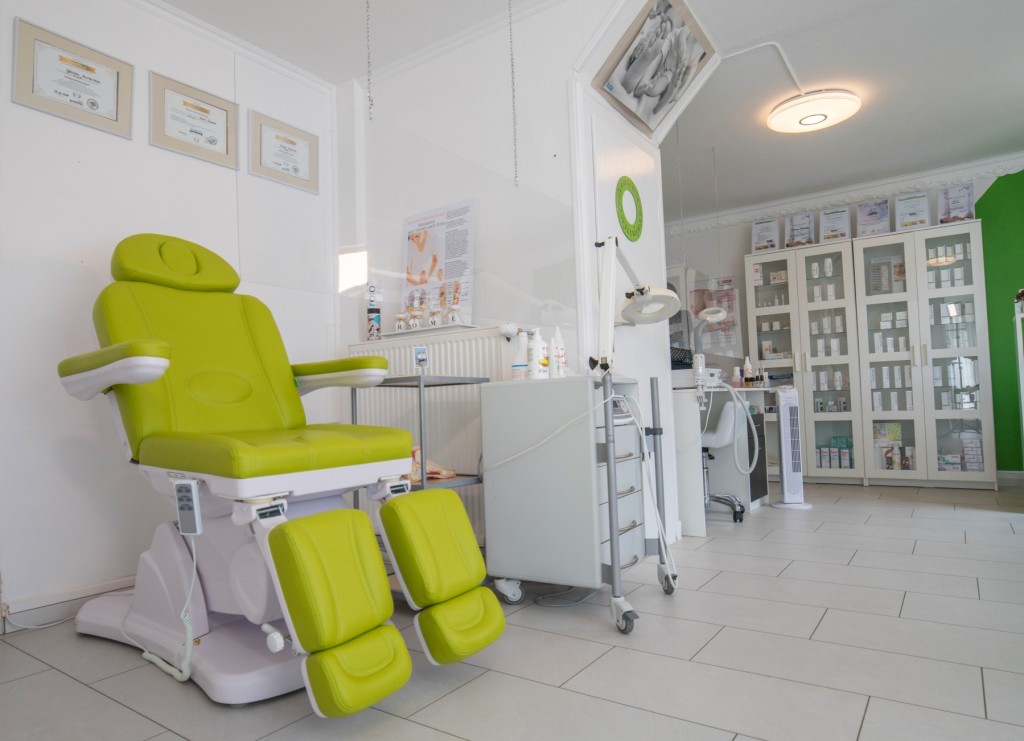
A comprehensive guide to digital marketing for clinics
Digital marketing for clinics receives a lot more scrutiny than marketing for other services.
People don’t just compare prices and features. They’re deciding whether they can trust you with their health and privacy.
That’s why creating digital ads and landing pages for UK clinics requires a different approach.
You not only need to know what a person is searching for, but also what information they need at each stage to break down the barriers that keep them from converting. Get that right, and you can lead them seamlessly from that initial click through to booking a consultation.
As one of the UK’s few specialist health and wellbeing digital marketing agencies, Fueld helps brands in sensitive industries capture more traffic and increase bookings. So we’ve put our knowledge and experience into this comprehensive guide to help you improve your ads and landing pages.
But if you’d like to reach your full digital marketing potential, get in touch with us today to discuss a bespoke paid media and content strategy for your clinic.
What makes digital marketing for UK clinics different?
People look for different things depending on the product or service they need.
If they want supplements, it’s often about scientific evidence and ingredient purity. For mental health services, they want reassurance of a safe, non-judgemental space.
And for UK clinics, your ads and landing pages need 5 qualities in particular to create trust in the service you provide.
1) Credibility
Most patients can’t independently judge the clinical quality of a treatment or practitioner.
Instead, they rely on visible evidence of experience, qualifications and reputation when comparing providers.
That’s why you should never rely on generic claims like ‘leading clinic’ or ‘high-quality treatment’. Instead, give clear information about things like:
- Years in business
- Practitioner experience
- Care Quality Commission (CQC) registration
- Recognised qualifications
- Industry memberships
- Insurance
- Awards
These instantly signal the quality and efficacy of your service.
2) Similar patient experiences
Future patients will feel more comfortable if they can see you’ve helped other people with a similar problem before them.
You could create ads and landing pages for, say, physiotherapy in general. But it’s often more effective to build niche campaigns for problems like knee injuries for athletes or persistent back pain for office workers.
Within these, you can add real, highly specific testimonials that describe:
- Another patient’s original concern
- Their experience with your clinic
- The outcomes they achieved
These details are much more persuasive than just telling people you offer a good service.
3) Fast access
Waiting times can be a major reason for choosing private treatment.
So it helps to use precise, sustainable claims like:
- Appointments available this week
- Evening availability
- Open on weekends
- No GP referral required
Just make sure that your availability claims reflect your actual capacity. Otherwise, you could make people distrust your clinic and end up paying for ads that don’t turn into real bookings.
4) Clear explanations
Many patients feel anxious because they don’t know what an assessment or treatment will involve.
So tell them.
Use your landing page to address practical questions like:
- Who will I see?
- How long will my appointment last?
- What happens during the consultation?
- Do I need to do anything beforehand?
Explaining the process in ordinary language makes your service feel familiar and accessible.
You can also include details about follow-up appointments, recovery periods, treatment limitations and possible next steps where relevant.
5) Transparent costs and payment arrangements
Hiding costs can keep interested patients from making contact, especially when other private clinics are being upfront. So it’s useful to tell people about consultation prices, treatment prices and realistic starting costs where you can.
If final costs depend on the assessment, explain what factors influence the price and when a patient will receive a confirmed quotation. And if you offer a free consultation, you should always let them know.
Include any accepted insurance providers, finance options, package prices and cancellation terms where relevant. But avoid using price promotions in a way that makes a clinical decision seem rushed.
Cost information can be persuasive. But it shouldn’t replace clear information about suitability and care.
How to write effective digital ads for UK clinics
Before we get into the specifics, there are a few basic principles that apply to all types of paid media campaigns. Take some time to get these right and the results will show in your ads.
Planning your digital advertising campaign
Define your objective
Digital advertising for clinics starts with two things:
- What you want to promote: It’s more effective to focus on a single clearly defined campaign rather than promote your services in general
- What you want to achieve: Decide whether you want the person to make an enquiry, book an assessment online or take another action
These things will have a big impact on the rest of your campaign, including your target audience, ad messaging and landing page content.
Choose the right locations
Targeting people across the UK isn’t a good use of your digital advertising budget if you only have one or two clinics.
Base your catchment area on your existing patient locations to ensure you’re speaking to people who can actually reach you. And take things like public transport, parking and local competition into account when fine tuning your target area.
Tight local targeting is good for routine appointments and treatments that need many sessions.
But you can target a wider area for specialist treatments, low-frequency procedures or high-value services that people might travel further to access.
Group related ads together
A single campaign can have its own conversion objective, target location, and bidding and budgeting strategy.
Within that campaign, ad groups should focus on the same underlying need so the ads can use highly relevant language.
For example, a physiotherapy campaign could contain separate ad groups for:
- Sports injuries
- Back pain
- Post-op rehabilitation
Each ad group should direct users to the page that best matches that topic.
Close alignment between the search, ad and landing page improves your ad quality score and user experience, which influence your full-funnel paid media success.
How to write pay-per-click ads for UK clinics
Unlike many other forms of digital advertising, pay-per-click ads target people who are actively searching for a product or service.
By understanding when your audience searches and what precisely they’re looking for, you can design Search ads that present your clinic as the ideal solution.
Understand responsive search ads
Using Google, you can create responsive search ads. These are digital ads that are assembled from a collection of headlines and descriptions that you provide.
Google Search campaigns currently allow:
- Up to 15 headlines with a maximum of 30 characters each
- Up to 4 descriptions with a maximum of 90 characters each
Google tests different combinations to see what works. And it might show different messages depending on the specific search.
It won’t necessarily show every element. And it won’t always show them in the order you provide. So it’s useful to write a varied selection of messages rather than write the same claim 15 times.
This gives Google enough information to test various combinations and tell you which claims resonate most with your audience.
Use the language your patients use
Pay-per-click ads on Google primarily rely on keywords to know when they should appear, as well as user intent signals. So you’ll need to figure out what your target audience types in when looking for your services online.
Your clinic’s existing Google Search Console data should help you find the organic queries that are already generating impressions and clicks. And Google Ads search term data can show what actual phrases triggered previous ads if you’ve run them before.
When designing paid ads, remember to separate clinical terminology from patient terminology.
You might know a patient is suffering from patellar tendonitis.
But as far as they’re concerned, their knee just hurts when they jump.
Build a negative keyword list
Keyword targeting doesn’t guarantee that every matching search will be commercially useful to you.
As a private clinic, you might receive irrelevant searches containing terms like:
- NHS
- Free
- Jobs
- Salary
- Training
- Course
- Degree
- Definition
Add obvious negative keywords to your campaign before you launch to avoid spending money on ads for the wrong searches. And review your search terms report to identify other irrelevant keywords to add to your list.
Take care when applying negative keywords, though. Blocking a broad term without checking its context could prevent relevant searches from triggering your ads.
Plan headlines around distinct patient priorities
Your Google Search ads are limited to 30 characters per headline. So you can’t include everything in each one.
Instead, use your 15 headlines to target different things a patient might want to see. Try to:
- Create at least one headline that closely reflect your main keyword or treatment
- Add location-focused headlines depending on your ad group catchment area
- Use separate headlines to communicate speed and appointment availability
- Include credibility messages like years of experience, qualifications and review scores
- Write one or more clear calls to action like ‘Book a consultation’ or ‘Request an appointment’
Remember, Google might display headlines and descriptions in different combinations. So each headline should communicate a complete, understandable idea.
Use descriptions to develop your message
Your 4 90-character descriptions give you more space to answer questions that don’t fit into short headlines.
These are great opportunities to:
- Add further supporting evidence
- Include practical details like pricing or referral requirements
- Address a likely patient concern about suitability by explaining that the first appointment includes an assessment
- Give a clear next step to guide people down your conversion funnel
Avoid repeating the same words and claims you’ve already used throughout your headlines. And make sure every description still makes sense when paired with any of them.
Follow UK paid media compliance
Even the most compelling ad in the world is worthless if it’s disapproved. So you must follow UK health and wellbeing paid media compliance to run your ads safely.
It’s generally safe for a wellness spa to advertise massage therapy as supporting relaxation. But when a weight management clinic or health centre implies their service can treat, prevent or diagnose a medical condition, it legally becomes a medical claim.
These claims come under much greater scrutiny. So you must ensure your digital ads not only follow advertising regulations, but also don’t promise more than you can prove.
Google, Bing and other platforms – including social media – also have internal policies that determine whether your ad can run. It’s important to review these before you write and publish your ads to avoid disapproval and rewrites.
Use callouts to highlight benefits
Callouts are non-clickable pieces of text of up to 25 characters that can appear with your Google ads.
You can use these to communicate benefits like:
- Open Saturdays
- Free parking
- No GP referral
- Established 2004
Be sure to distinguish these callouts from your headlines. For example, if ‘same-day appointments’ already appears prominently in your ads, use the callout space for another useful benefit.
You can actually create callouts at different levels of your ad campaign, too.
Account-level callouts are great for benefits that apply no matter what you’re advertising. And campaign or ad-group callouts can highlight details specific to one treatment or location.
Use structured snippets
Structured snippets let you add a header followed by a list of related items. Google might then display that structured snippet underneath your ad.
For example, you might add the header ‘Service catalogue’, followed by:
- Physiotherapy
- Sports massage
- Running assessments
Structured snippets are meant to be used to add simple factual information. So don’t use them for things like ‘best clinic’ or ‘book now’. Instead, use them to help patients confirm your clinic provides the services they need before they click.
Be sure to keep your list closely related to your ad group. After all, a treatment-specific campaign doesn’t need a long list of every service you provide.
Add authentic images
When you include image assets, there’s a chance Google might show visuals next to your eligible Search ads.
Don’t use generic stock images that could represent almost any clinic. These make your service seem inauthentic and lazy, which can harm your credibility.
In their place, use genuine, high-quality photographs of your:
- Clinicians
- Treatment rooms
- Clinic exterior
- Reception areas
- Relevant equipment
When adding image assets, provide both square and landscape versions. Google recommends using 1:1 and 1.9:1 images respectively.
How to write paid social ads for UK clinics
Ads on social media platforms work differently from paid search ads.
Google responds to an existing need. But paid social advertising can introduce your clinic or treatment to people who aren’t actively searching yet through their feeds.
These social media ads have different requirements depending on the platform. But there are a few techniques that are useful for writing paid social ads no matter which platform you target.
Choose a campaign objective
When creating Search ads, you need to define your objective yourself. But on social media platforms, you can choose an objective from a predefined list. So your ad will look and function slightly differently depending on whether you want people to complete a lead form or enquire on your website.
Optimising for traffic or engagement can generate cheaper clicks. But if you do that, the platform might try to find the people most likely to click the ad, not those most likely to actually become a patient.
A website conversion campaign can work well when you have a strong landing page and reliable tracking. But you might want to consider using a native lead-generation form so that people can submit an enquiry without leaving their social media feed.
Write primary text that’s easy to scan
Each social media platform has a character cut-off for ads. If your ad copy exceeds this limit, it gets shortened, and people need to click ‘Read more’ to see the whole thing.
This isn’t a problem by itself. But it does mean you need to communicate your most important message in full early on so everyone sees it.
Use your opening line to establish the treatment or patient need you’re promoting, along with the strongest benefit.
After that, keep your paragraphs short so they’re easy to scan on a mobile device.
Write several different versions of your ad to test which hooks, benefits, evidence and calls to action works best. And preview your ads before launch to make sure you get your message across within the character limit.
Use creative to bring your clinic to life
As with pay-per-click Search ads, it’s important to use real images of your clinicians and facilities to make your clinic feel genuine and credible.
But on social media platforms, you can also use short videos to introduce your clinic more thoroughly or explain what happens during an appointment.
Whether you use images or videos, make sure you design your creative for its intended placement.
Vertical assets work well for Facebook Stories, Instagram Reels and TikTok videos. But square or landscape visuals are a better fit for feeds and certain LinkedIn placement.
Remember to check the specification requirements for your target platform before deciding on your creative.
Target the right people
Geographical targeting is also important for paid social ads. But compared to Google and other search engines, social platforms make it much easier to target people based on their specific demographic, interests or profession.
For example, Meta and TikTok make it easy to target people based on their interests and the types of content they engage with. But on LinkedIn, you have more information about people’s job roles. So you can target office workers who might experience back pain from prolonged sitting, or even connect with senior industry professionals for partnerships.
You can also use remarketing data to advertise specifically to previous website visitors, video viewers or people who’ve engaged with your content. And you can exclude existing patients if your goal is to acquire new business.
Get effective ads with minimal hassle
Fueld’s paid media experts can design, track and optimise search and social ads that position your clinic as the solution patients need.
How to write high-converting landing pages for UK clinics

When someone clicks on your digital ad, they’ll be taken to your landing page.
This page shouldn’t restart the conversation that began with your ad. Instead, it should follow on naturally and confirm the user has reached the right place.
Then, you can use the page to build further confidence and guide that person towards conversion.
Existing service page vs dedicated landing page
Your website might already have a service page that closely matches the keywords of your paid ads.
If it gives complete information and offers a clear route to conversion, it might be perfectly suitable as a destination.
But a dedicated landing page will often perform better if your campaign targets a niche condition, treatment, location or patient group.
Dedicated landing pages make it much easier to match the wording and tone of your ad. And because you can be certain of the user’s goal, you can remove unnecessary links to other services to focus on helping them convert.
The approach you choose should depend on:
- The relevance of the message
- The content you have available
- The value of your campaign
- The level of search demand you expect
Create a strong above-the-fold section
Your landing page should start with a clear header naming the condition, treatment or service promoted in your ad.
Follow this with a short statement explaining the main benefit or expected outcome. And place your main call to action (e.g. ‘book now’) immediately below.
All of this should be visible ‘above the fold’ – that is, without scrolling down the page. Remember to check it on desktop and mobile to ensure the necessary information is visible to everyone.
Follow up with a trust signal
If someone keeps scrolling even after they see your above-the-fold content, it means they’re not yet convinced. So you need to give them a reason to believe in your business.
Below the fold, immediately add one or two trust signals that are specific to your business. These could be:
- Years in business
- Verified review score
- Industry accreditation logos
- A highly relevant patient review
- Practitioner experience
Social or industry evidence inspires confidence in your clinic, reassuring visitors that they can expect a safe, high-quality service.
Explain your service
If your hero section and proof points aren’t enough, it often means the reader doesn’t have enough information to convert. So next, add a section that tells them who the service is for and what to expect.
Start by describing the symptoms, situation or patient groups that the landing page service is relevant to. This reassures people that they’re definitely in the right place. Use patient-friendly language to make the service easy to understand, but retain enough clinical accuracy to build reader confidence.
Now that they know your clinic is right for their needs, tell them what happens when they submit your form or book online. You could explain:
- Who conducts the first appointment and what information they’ll ask for
- How long a typical appointment lasts
- Any pre-visit preparation patients might need to do
- The assessment, treatment and follow-up process in the order the patient will experience them
- Typical timescales for results or recovery
This is a good place to add another call to action. Now that the reader is properly informed about what to expect, they might be ready to convert.
Introduce the practitioner
At this point, the reader has a good idea about the service you provide and why they should trust you. They haven’t converted – but they also haven’t left.
These lingering concerns are often personal. But showing a friendly, trustworthy face can help relieve their anxiety.
Include a professional, approachable photograph of the clinician or team that delivers the service. State their role, qualifications and experience in the promoted treatment. And add a short, reassuring explanation of their approach to patient care.
Rather than visiting a business or building, these signals reaffirm that the reader will be cared for by kind, experienced individuals. This makes your clinic feel safer and more welcoming, which is especially important for sensitive conditions.
Make pricing clear
Pricing is a big part of any private treatment. But introduce them too early – before your information and evidence – and you might not have given the reader enough of a reason to accept the costs. By keeping your previous section clear and concise, you can strike the perfect balance of detail and transparency on your landing page.
Here, you should display your consultation fee and treatment costs accurately. Explain what the quoted amount included. And add information about insurance, pre-authorisation and financing where relevant.
If the price of treatment genuinely depends on assessment, include a clear route to asking for a quotation.
Reinforce trust with a strong testimonial
It’s always a good idea to put a convincing, highly relevant patient testimonial near your first call to action, just under your above-the-fold section.
But once the reader has all the details, another independent recommendation can tip them over the edge from browser to customer.
Make sure to choose a treatment-specific review if you have one, as this will be much more relevant to the reader’s interests. And if you can get permission to use their full name, treatment location and image, your social proof will feel even more convincing.
Answer common questions
Your landing page should give readers all the information they need to understand your service and start the conversion process.
But it’s also useful to include a short, direct FAQ section covering quickfire answers like:
- Referral requirements
- Pricing
- Suitability
- Treatment length
- Recovery
That way, if the only thing standing in the way of conversion is a single piece of information, readers can find the answer quickly and decide whether or not to reach out.
As well as covering general information, add in some short FAQs based on:
- Questions you receive
- Search term data
- On-site searches
- Sales conversations
This will ensure you’re meeting the real needs of your patients.
End with a final conversion section
At the bottom of your landing page, you need to give visitors one final opportunity to convert.
Summarise the most important reasons to book without repeating the entire page. Restate the treatment, location and next step. And explain what the patient can expect after making contact.
If your service really does meet the needs of the person who clicked your ad, this should give them everything they need to reach out.
Tracking the effectiveness of your sales funnel
The goal of writing highly effective digital ads and landing pages for UK clinics is to increase booking and bottom-line revenue. So once you launch your campaign, you’ll also need to track your ad performance to ensure you’re meeting your targets for metrics like cost per lead and conversion rate.
Don’t make the mistake of focusing on vanity metrics like ad clicks or landing page views. Instead, track values that support your main campaign objective like appointment bookings, submitted enquiry forms and qualified phone calls.
This will give you the clearest possible view of whether or not your campaign is successful. And it’ll help you optimise your ads and landing pages as you continue to gather more data.
How Fueld helps UK clinics turn searches into conversion
Most digital marketing agencies specialise in paid media or search engine optimisation (SEO).
But at Fueld, our experienced digital marketing specialists offer a combined service that delivers high-performing ad campaigns and landing pages for health and wellbeing brands.
Paid search advertising captures patients looking for treatment, while paid social introduces you to potential patients earlier in their decision-making journey. This helps you generate immediate enquiries while building long-term future demand.
Those ads then send users to your landing pages. This is where professional content writing is important for giving people the information they need while improving your ad quality score with landing page optimisation.
Each campaign we create uses concrete data such as search behaviour, audience intent and historical conversion metrics to determine our marketing and investment strategy. And once your campaigns go live, we continuously monitor performance to refine keywords, audiences, creative and copy as new insights emerge.
Your goal isn’t just to generate more traffic and clicks – and neither is ours. We’re wholly focused on making you the clinic people see, trust and choose.
That way, we can turn more searches into consultations and deliver sustainable long-term growth for your business.
Become a leading UK clinic with Fueld
Successful digital marketing for clinics is all about understanding patient intent and designing ads and landing pages that lead people from discovery to conversion with minimal friction.
As one of the UK’s few health and wellbeing performance marketing specialists, Fueld combines paid media, SEO, content writing and conversion optimisation to help you attract the right patients and turn more searches into real bookings.
So get in touch with us today to discuss a wholly bespoke digital marketing strategy designed to suit the needs of your customers and clinic.
About the Article
- Written by Hannah Porch
- July 29 2026
- Marketing